Mustard Seeds Therapy

Physical Therapy Services

We provide physical therapy for children, adults, and seniors, addressing mobility limitations, strength deficits, balance issues, and pain management. Our physical therapists (PTs) and licensed physical therapist assistants (PTAs) are state-board licensed in Nevada and California and follow the American Physical Therapy Association (APTA) standards of practice.

We have invested in advanced telehealth technology, continuing education, and evidence-based rehabilitation tools to deliver consistent, high-quality care. With clinical experience across orthopedic, neurological, and post-surgical rehabilitation, our team helps clients restore movement, reduce pain, and improve functional independence through structured in-home, and telehealth programs serving communities throughout Nevada and California, including Las Vegas, Pahrump, Reno, Los Angeles, San Diego, Sacramento, and surrounding areas.

Physical Therapy Services for Children and Adults

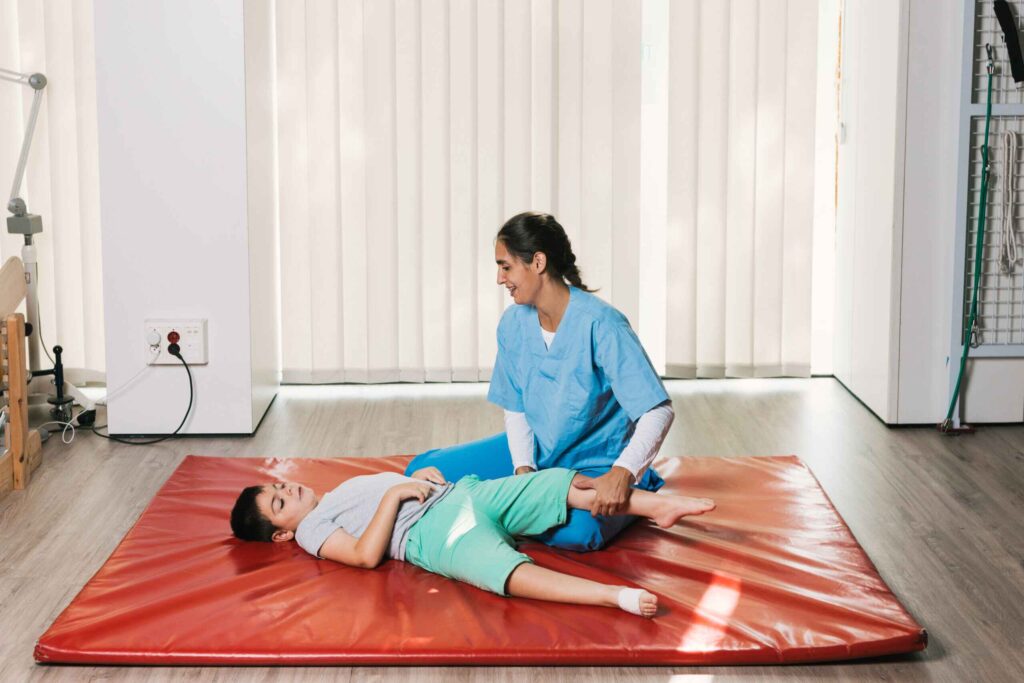
Mustard Seeds (PT) Physical Therapist Assisting Child with Cerebral Palsy
  • Support for developmental delays, gross motor milestone achievement, and muscle tone regulation

  • Therapy for balance, coordination, posture, and mobility skills

  • Intervention for neurological and genetic conditions (e.g., cerebral palsy, Down syndrome, muscular dystrophy)

  • Gait training, orthotic assessment and recommendations, and caregiver/family education for home carryover

  • Strengthening and mobility programs for children with developmental coordination disorder (DCD), autism spectrum disorder (ASD), and sensory-motor integration challenges
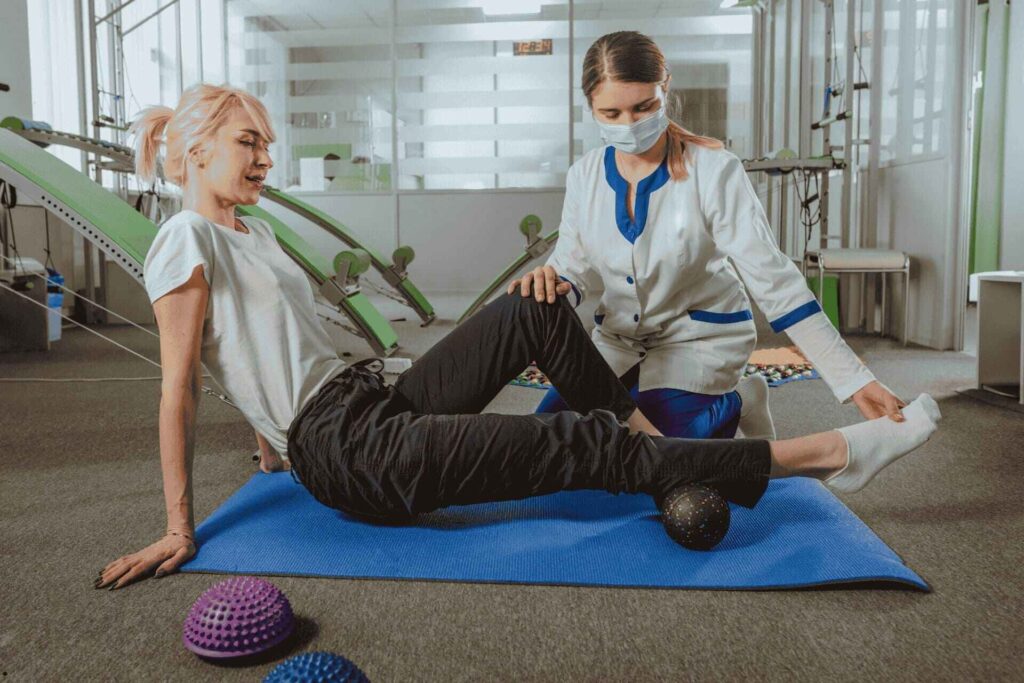
Adult Physical Therapy Nevada and California - Mustard Seeds Therapy Physical Therapist, performing Physical Therapy on patient
  • Post-surgical and orthopedic rehabilitation (e.g., joint replacement, spine surgery, ligament repair)

  • Chronic pain management and functional mobility restoration using evidence-based manual therapy and exercise interventions

  • Balance training, fall prevention, and vestibular rehabilitation for improved safety and confidence

  • Sports injury recovery, return-to-activity programs, and athletic performance optimization

  • Neurological rehabilitation for stroke, Parkinson’s disease, multiple sclerosis (MS), and traumatic brain injury (TBI)

How We Deliver Physical Therapy

In-Home Occupational Therapy

Our physical therapists provide one-on-one care in the comfort of your home to improve mobility, strength, balance, and independence in daily activities. Sessions may include home safety assessments, fall risk evaluations, therapeutic exercise programs, and functional movement training designed around real-world tasks such as walking, transfers, or stair navigation.

Telehealth Occupational Therapy

Through our secure, HIPAA-compliant telehealth platform, clients can access physical therapy remotely using video sessions. Telehealth allows continued rehabilitation for individuals in rural or underserved areas and offers a convenient option for those managing transportation or mobility challenges.

Flexible scheduling

Appointments are coordinated to fit client routines, with minimal wait times between evaluation and the start of therapy. Evening and weekend sessions may be available upon request to accommodate family and work schedules.

Clinical Focus Areas & Specialized Physical Therapy Services

Our physical therapists apply evidence-based techniques and advanced clinical training to improve strength, mobility, and functional independence for clients of all ages across Nevada and California.

Orthopedic and Post-Surgical Rehabilitation

Restoring strength, flexibility, and joint mobility following orthopedic surgeries or injuries such as ACL reconstruction, hip or knee replacement, rotator cuff repair, and spinal surgery. Therapy focuses on progressive strengthening, pain reduction, and safe return to activity.

Neurological Rehabilitation

Supporting recovery and movement re-education after stroke, traumatic brain injury, spinal cord injury, Parkinson’s disease, or multiple sclerosis. Interventions emphasize neuroplasticity, task-specific retraining, and improved balance, coordination, and independence.

Pediatric and Developmental Physical Therapy

Enhancing gross motor development, posture, and coordination for children with developmental delays, cerebral palsy, Down syndrome, or other neuromotor and genetic conditions. Programs address gait abnormalities, muscle tone regulation, and sensory-motor integration.

Balance, Gait, and Fall Prevention

Improving stability, walking mechanics, and confidence for clients experiencing balance difficulties, poor posture, or mobility limitations. Therapists perform fall risk assessments, gait training, and strength programs to prevent injury and maintain independence.

Chronic Pain and Functional Restoration

Addressing back, neck, and joint pain through manual therapy, therapeutic exercise, and movement retraining. Our goal is to reduce pain, restore range of motion, and improve overall function for individuals with chronic or repetitive strain conditions.

Sports and Orthopedic Performance

Rehabilitation and performance optimization for athletes recovering from sprains, strains, tendonitis, or overuse injuries. Programs emphasize biomechanical correction, flexibility, and safe progression back to sport or physical activity.

Vestibular and Dizziness Rehabilitation

Providing specialized therapy for vestibular disorders, vertigo, and dizziness. Treatment focuses on improving gaze stability, balance control, and spatial orientation to reduce symptoms and restore safe mobility.

Aging and Mobility Enhancement

Supporting older adults through balance retraining, endurance programs, and adaptive mobility strategies. Therapists also provide fall-prevention education, posture correction, and home safety recommendations to maintain independence and confidence in daily movement.

Therapy Techniques & Tools

Postural and Movement Retraining

Focuses on correcting posture, movement efficiency, and ergonomic alignment during daily activities. Therapists guide clients in safe techniques for walking, lifting, and mobility to prevent strain and reinjury.

Gait Analysis and Mobility Aids Training

Video and visual gait assessments help identify movement inefficiencies. Clients receive training in the safe use of canes, walkers, orthotics, and pediatric mobility tools to enhance independence and safety.

Modalities and Technology-Assisted Therapy

Incorporating ultrasound, electrical stimulation, and thermal therapies to reduce pain, enhance tissue healing, and support recovery in conjunction with exercise and manual therapy.

Patient Education and Home Exercise Integration

Therapists emphasize long-term results through education in posture, self-management, and home-based exercises that reinforce clinic sessions and promote independence.

Evidence-Based Clinical Frameworks

Treatment plans are guided by research-supported models such as the International Classification of Functioning, Disability and Health (ICF) to ensure measurable outcomes and best-practice care.

Our physical therapists apply advanced, evidence-based methods and use specialized tools to improve strength, mobility, and function. Each program is customized to individual needs, lifestyle, and recovery goals.

Manual Therapy and Soft Tissue Mobilization

Hands-on methods to restore joint motion, reduce muscle tension, and improve circulation. Techniques may include joint mobilization, myofascial release, and trigger point therapy to enhance movement and relieve discomfort.

Neuromuscular Re-education and Proprioceptive Training

Therapists use targeted balance and coordination exercises, proprioceptive tools, and neuromuscular retraining techniques to restore control, stability, and body awareness following injury or neurological conditions.

Therapeutic Exercise, Resistance, and Stretching Programs

Structured exercise plans designed to improve strength, endurance, flexibility, and motor control. Includes resistance training, stretching, and individualized home exercise programs to maintain progress between sessions.

Functional Electrical Stimulation (FES)

Used when appropriate to activate weak or inactive muscles, promote circulation, and improve motor function in clients recovering from neurological or orthopedic impairments.

Where We Serve

Physical Therapy Across Nevada and California

Mustard Seeds Therapy provides physical therapy services statewide across Nevada and California through in-home, in-clinic, and telehealth formats. Our licensed physical therapists (PTs) and physical therapist assistants (PTAs) deliver rehabilitation, pain management, and mobility programs to clients in both urban and rural communities.

Physical Therapy Evaluation and Treatment Process

Initial Physical Therapy Evaluation

A licensed physical therapist performs a detailed assessment to understand each client’s medical history, movement patterns, muscle strength, range of motion, balance, and pain levels. Standardized tests and functional movement analyses are used to identify mobility challenges and establish a baseline for care.

Individualized Treatment Plan

Using evaluation findings, your therapist designs a measurable and goal-oriented treatment plan. This plan outlines specific interventions—such as therapeutic exercise, manual therapy, and neuromuscular training—targeted to improve mobility, strength, endurance, and functional performance.

In-Home, and Telehealth Sessions

Physical therapy sessions may be conducted at home, or via secure telehealth sessions. Each setting allows therapists to address functional goals and movement challenges in the environment where they most affect daily life.

Ongoing Progress and Re-Evaluation

Progress is monitored through objective measures, re-assessments, and patient feedback. The treatment plan is updated as improvements occur, ensuring continued progress toward restored movement, independence, and long-term physical wellness.

Why Choose
Mustard Seeds Therapy for
Physical Therapy

Insurance & Payment Options

We make physical therapy services accessible for individuals and families across Nevada and California,
with flexible coverage and payment options to support ongoing care.

Insurance Coverage

Mustard Seeds Therapy works with a wide range of major insurance providers in both states. Because physical therapy coverage and visit limits vary by plan, our team assists clients with verifying eligibility, copays, and authorization requirements before starting care.

Private Pay

We offer private pay options for clients without active insurance or for services not covered by their plan. Private pay can be used for post-surgical rehabilitation, injury prevention programs, or maintenance therapy following discharge from insurance-based care.

Out-of-Network Support

For clients using out-of-network insurance, our administrative team provides itemized superbills and progress documentation to help with partial reimbursement requests submitted directly to their insurance provider.

Medicare & Rehab Partnerships

Mustard Seeds Therapy accepts Medicare and collaborates with rehabilitation hospitals, skilled nursing facilities, and home health agencies to coordinate therapy plans and maintain continuity of care across treatment settings.

Need Help?

FAQs

Physical therapy treatment at Mustard Seeds Therapy includes evidence-based exercises, manual therapy, balance and mobility training, posture correction, and pain management strategies. Each session is built around your individual goals, helping restore strength, movement, and confidence in everyday activities.

Our physical therapists provide a range of treatments, including strength and flexibility training, joint and soft tissue mobilization, neuromuscular re-education, gait and balance retraining, and therapeutic exercise programs. We also use modalities such as heat, cold, or electrical stimulation when appropriate.

A typical session includes guided exercises, hands-on therapy, and education on how to continue progress at home. Your therapist will track improvements each visit and adjust your care plan as you advance toward recovery.

Physical therapy is built on five core elements:

  1. Examination – assessing movement, strength, and limitations
  2. Evaluation – interpreting findings to identify needs
  3. Diagnosis – defining the movement or functional issue
  4. Prognosis – setting achievable goals and recovery timelines
  5. Intervention – providing hands-on care and therapeutic exercise
Your first appointment includes an evaluation where the therapist reviews your medical history, discusses your goals, and performs physical assessments. From there, a personalized plan of care is created, and you may begin light exercises during the same session.

Red flags refer to symptoms that indicate a more serious condition requiring medical referral, such as severe unexplained pain, sudden weakness, loss of bladder or bowel control, or unexplained weight loss. Our therapists are trained to identify these signs and coordinate with your physician when needed.

The main purpose of a physical therapist is to help individuals regain movement, reduce pain, and restore independence after injury, surgery, or physical limitation. At Mustard Seeds Therapy, we focus on helping clients return to the activities that matter most in daily life.
The most common reasons people seek physical therapy include back and neck pain, joint injuries, post-surgical rehabilitation, and mobility challenges due to neurological or age-related conditions.

The four primary types include:

  1. Orthopedic PT – for muscles, joints, and bones
  2. Neurological PT – for brain or spinal cord conditions
  3. Pediatric PT – for children’s motor development
  4. Geriatric PT – for age-related movement challenges
Physical therapy covers multiple specialties, including orthopedic, neurological, pediatric, geriatric, cardiovascular, and sports rehabilitation. Each specialty targets specific needs across age groups and conditions.

PT (Physical Therapist): A licensed clinician who evaluates and treats patients.

DPT (Doctor of Physical Therapy): A PT who has earned a doctoral degree in physical therapy.

PTA (Physical Therapist Assistant): A licensed professional who supports the PT in delivering hands-on care under their supervision.

The five main treatment approaches in physical therapy are:

  1. Manual therapy
  2. Therapeutic exercise
  3. Neuromuscular re-education
  4. Modalities (e.g., heat, ice, or electrical stimulation)
  5. Functional training and education

OT (Occupational Therapy) helps individuals regain independence in daily activities such as dressing, feeding, or writing.
PT (Physical Therapy) focuses on improving strength, mobility, and body mechanics to restore physical function.

Start your physical therapy journey today